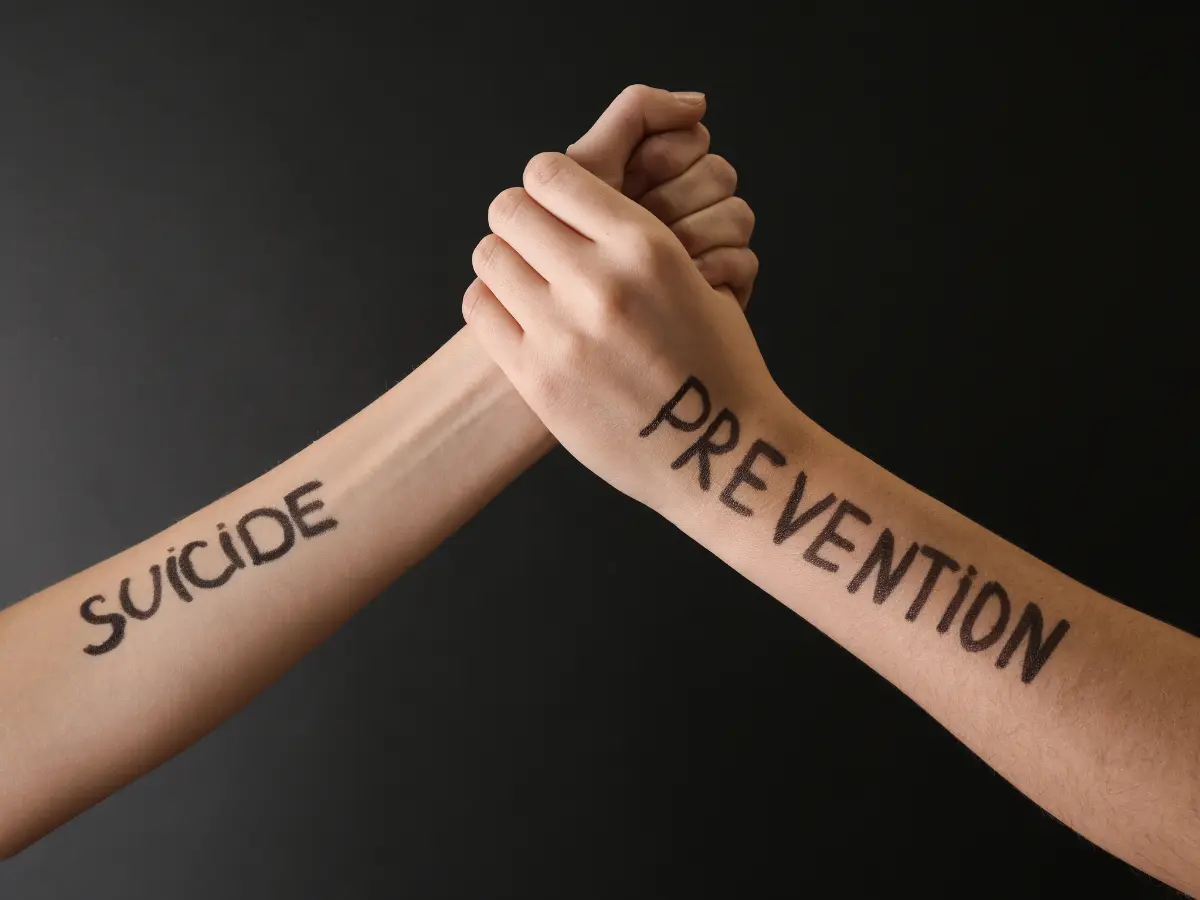

In this article, we’ll show you proven trauma rescue strategies to guide you from pain to peace, because that’s exactly what you deserve. With the right strategy, you can find healing, comfort, and hope for a better tomorrow. Your story won’t end with trauma—not on our watch!
When most people experience trauma, they typically retreat into themselves and slowly lose the spark of life that makes them who they are. We don’t want that for you. We are dedicated to helping you reach healing, one step at a time.
This article is your first step.
What Is Trauma?
Trauma is the lasting emotional or physical response to stressful, terrifying, or harrowing events. Sadly, most of us will experience a traumatic event at some point in our lives. One survey of South Africans reported that 75% of respondents had faced at least one traumatic event in their lives, and more than half had gone through multiple traumatic experiences.
Even South Africans who have not experienced trauma directly have been traumatised by external factors like witnessing a traumatic event, hearing about it, or losing a loved one.
While we are still a long way from eradicating trauma in the country, what we can do is provide trauma healing. This is where trauma rescue comes in, and understanding trauma is the foundation of any trauma rescue effort.
Types of Trauma
There are three main types of trauma, and each one requires a tailored trauma rescue approach. Let’s take a look at each one:
- Acute trauma: This occurs when someone experiences a single traumatic event that has a devastating effect on them. It can lead to trauma symptoms such as anxiety, depression, and PTSD. Examples of trauma here are sexual assault, natural disasters, and car accidents.
- Chronic trauma: This is caused by an ongoing traumatic experience that repeats for an extended period. It may involve abuse or neglect. Causes of trauma here include childhood abuse, repeated bullying, domestic violence, and prolonged war exposure.
- Complex trauma: This type of trauma develops when someone experiences multiple traumatic events that combine and lead to unique symptoms. It can be caused by prolonged exposure to violence or suffering like war and slavery, discrimination based on race, gender, or disability, and varying forms of abuse or neglect experienced by children.

The types of trauma can also be viewed from the lens of childhood vs. adult trauma and physical vs. psychological trauma. We will address each one to give you a better understanding:
- Childhood trauma: This refers to the negative events children experience during their formative years that can have a lasting impact on their lives. Without early trauma rescue, emotional wounds that occur during childhood can linger for decades.
- Adult trauma: Childhood trauma, when left unaddressed, might create adults who are in desperate need of trauma rescue later in life.
- Physical trauma: This involves traumatic damage to the body, such as broken bones, cuts, and bruises. It requires immediate first aid and possible intervention from a trauma surgeon.
- Psychological trauma: This is also referred to as emotional trauma, and it often requires a unique form of trauma rescue that is different from physical first aid. While physical trauma affects the body and is clear to see, emotional trauma affects the mind and leaves psychological wounds that might go unnoticed for years. This leaves survivors of trauma struggling in ways no one can see.
Trauma Rescue: Immediate and Long-Term Strategies for Healing
Trauma healing is more of a journey than a destination. Every step you take matters, and we’re here to walk you through each step. We’ll show you how to deal with trauma and come out on the other side stronger.
Here are the steps to guide you towards healing:
Step 1 – Acknowledge and Accept the Trauma
Validating your experience is the first step to healing. When you acknowledge your pain and name your emotions, you take your power back. Admitting you’ve been hurt is important in the trauma rescue process.
It’s also important to remember that trauma is not a weakness. Your experience does not make you weak. You are a survivor, and the way you talk to and about yourself should reflect that. Give yourself grace and show self-compassion.
Step 2 – Seek Professional Support
Trauma counselling and therapy can help you get through this difficult time. There are many trauma therapy options in South Africa, including cognitive behavioural therapy (CBT), eye movement desensitisation and reprocessing (EMDR), and group therapy.
There are also affordable options for trauma counselling, like government resources, non-profit organisations, faith-based and community services, and suicide prevention hotlines, which have trained counsellors to guide you through structured trauma rescue therapies.
Step 3 – Build a Support System
Working through trauma alone is hard. When all the weight falls on your shoulders, it can be hard to stand up straight, let alone keep walking. You shouldn’t have to face this alone. You can lean on your family and friends. They will be your emotional anchors through the trauma rescue process.
You can also try joining support groups and finding comfort with other survivors of trauma. Community is so important, and you deserve one that will hold you up, support you, and be your strength if yours wavers.

Step 4 – Practice Daily Healing Habits
Habits like mindfulness and journaling can be super helpful on the trauma rescue path. They help to ground your mind and process your thoughts in a healthy way. Another way to ground yourself is through spirituality and culture. Connecting with culture and going deeper spiritually has helped many South Africans on the journey to healing.
Healthy routines for your nutrition, sleep, and movement also have big impacts on your mental well-being. This daily structure brings calm and predictability. It may seem small, but steps like this can help to overcome PTSD trauma.
Recognising the Signs of Trauma
Sometimes, you may not immediately notice that you are experiencing signs of trauma. A distressing event can leave lasting but undetectable effects that manifest slowly and in little ways. If this is not addressed, it could escalate into something far worse.
This is why you need to know what to look out for in yourself and others. It aids early intervention and could be the difference between life and death.
Emotional and psychological trauma symptoms:
- Anxiety
- Suicidal depression
- Suicidal ideation
- Guilt, shame, and emotional numbness
Physical symptoms of trauma:
- Sleep disturbances
- Chronic fatigue
- Somatic pain with no clear cause
Root Causes of Trauma
Trauma can be caused by many things and can affect people in different ways. Here are the causes of trauma:
- Natural disasters
- Loss of a loved one
- Childhood abuse or neglect
- Racism, poverty, and inequality
- Collective trauma in post-apartheid South Africa
Frequently Asked Questions
What is the difference between trauma and stress?
Stress is usually a temporary response to everyday pressures and challenges, while trauma is a deep and lasting response to overwhelming or life-threatening events. Stress may go away once the situation changes, but trauma often lingers and requires healing strategies or professional support.
How do I know if I need professional help for trauma?
If you notice persistent symptoms such as nightmares, flashbacks, anxiety, depression, suicidal thoughts, or if the trauma is interfering with your daily life and relationships, it is a strong sign that you should seek professional help. Therapists and counsellors can provide structured trauma rescue methods like CBT or EMDR to support recovery.
Can trauma ever be fully healed?
While trauma may never completely disappear, it can be managed and healed to the point where it no longer controls your life. With professional support, a strong community, and daily healing habits, many survivors find peace, regain joy, and build resilience after traumatic experiences.
Healing Is a Journey—But You Don’t Have to Walk Alone
Dealing with trauma is a painful struggle, but we’re here to tell you that there’s light at the end of the tunnel. We know you’ve probably heard that before, but it’s true. Healing is possible—all you need to do is choose trauma rescue over silence.
Don’t delay your journey toward peace. You can begin your healing process today with a simple phone call to our helpline. With us, privacy is assured, and healing is only a call away.